

Casino gaming problems, also known as problem gambling or compulsive gambling, refer to the urge to gamble continuously despite negative consequences. It’s a serious issue that affects millions of people worldwide, causing financial, emotional, and social problems. In New Zealand, individuals can seek help and support from various organizations, including those that provide resources and guidance for asino casino players.
According to the World Health Organization (WHO), problem gambling affects approximately 0.5-3.4% of the global population. Young adults, particularly those between the ages of 18 and 24, are more vulnerable to problem gambling. Males are also more likely to experience problem gambling, with a prevalence rate of 1.4% compared to 0.7% for females.
Causes and Risk Factors of Casino Gaming Problems
Problem gambling can be triggered by a combination of genetic, environmental, and psychological factors. Some of the key risk factors include a family history of problem gambling, mental health issues, and substance abuse. The psychology of casino gaming problems often involves a complex interplay of cognitive, emotional, and behavioral factors, including the gambler’s fallacy and the near-miss effect.
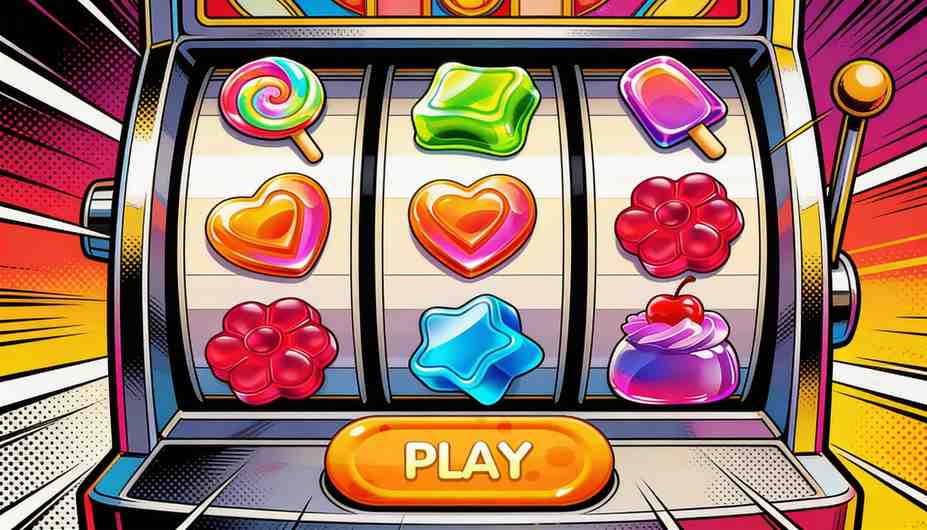
The gambler’s fallacy refers to the illusion that a random event is more likely to happen after a streak of losses or wins. The near-miss effect, on the other hand, is the feeling of excitement and anticipation that comes from almost winning a bet. These factors can contribute to the development of problem gambling, making it essential to recognize the signs and symptoms early on.
Signs and Symptoms of Casino Gaming Problems
Financial Problems
Identifying the signs and symptoms of casino gaming problems is crucial in seeking help and support. Financial problems are a common indicator, including excessive spending on gambling, using savings or loans to fund gambling habits, and ignoring financial responsibilities. Other signs include feeling anxious or irritable when unable to gamble, hiding or lying about gambling habits, and strained relationships with family and friends.
Emotional and social problems can also arise from problem gambling, such as feelings of guilt, shame, and anxiety. In severe cases, problem gambling can lead to mental health issues, including depression and suicidal thoughts. It’s essential to recognize these signs and symptoms and seek help before the situation worsens.
Seeking Help and Support for Casino Gaming Problems
Recovery from casino gaming problems is possible with the right support and resources. Treatment options include cognitive-behavioral therapy (CBT), medications, and support groups. CBT is a helpful approach in addressing the underlying cognitive and behavioral factors that contribute to problem gambling. Medications, such as selective serotonin reuptake inhibitors, can also help alleviate symptoms of anxiety and depression.
Support groups, such as Gamblers Anonymous, provide a safe and supportive environment for individuals to share their experiences and receive guidance from others who have overcome problem gambling. Online resources and hotlines, including the National Problem Gambling Helpline, are also available to provide immediate support and guidance.
Author
Emily Johnson, iGaming analyst with 5+ years of experience specializing in online casino regulations and responsible gambling.
Frequently Asked Questions
Q: What is the difference between problem gambling and casual gambling?
Problem gambling is a serious addiction that causes significant distress and impairment, while casual gambling is a recreational activity that doesn’t interfere with daily life.
Q: Can casino gaming problems be treated with medication?
While medications can help alleviate symptoms, they are not a standalone treatment for casino gaming problems. A comprehensive treatment plan that includes therapy and support is usually necessary.
Q: How can I support a loved one with casino gaming problems?
Encourage them to seek professional help, offer emotional support, and set boundaries to protect their well-being and finances.
